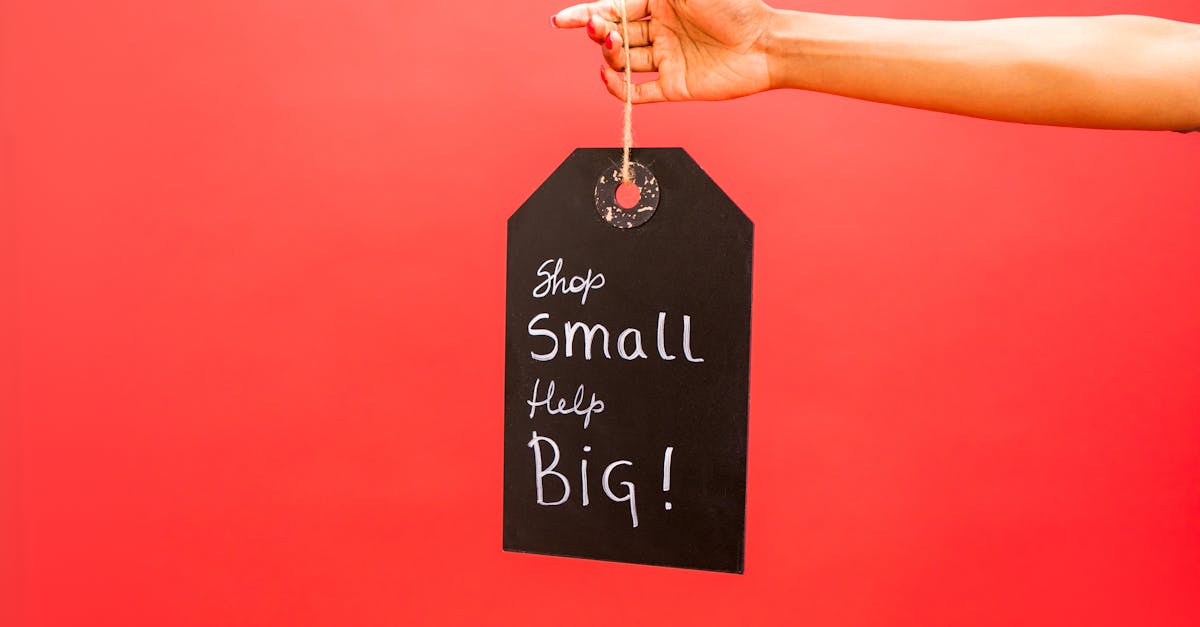
Marketing Ideas That Help Small Brands Compete Big
Have you ever felt like you are bringing a squirt gun to a forest fire? That is exactly how most small business owners feel when they look at the marketing budgets of global corporations. You see the polished ads, the celebrity endorsements, and the endless stream of content, and you wonder how you could ever possibly compete. Here is the secret: you do not need their budget to win their customers. In fact, being big is often a disadvantage because it makes companies slow, impersonal, and disconnected. As a small brand, your size is your greatest asset.
Defining Your Niche: How Small Brands Win Through Focus
If you try to sell to everyone, you end up selling to no one. Big brands have to appeal to the masses, which forces them to dilute their message until it is as bland as unbuttered toast. You have the luxury of being specific. When you define a narrow niche, you become the authority in that space. Think of it like a specialized surgeon versus a general practitioner; people go to the specialist when they have a specific problem because they want the absolute best at that one thing.
To find your niche, look for the gaps the big players ignore. Perhaps they are too focused on profit margins to care about sustainable sourcing, or maybe their customer service is automated and cold. By doubling down on the things they neglect, you create a dedicated following that views your brand as a hero rather than just a utility.
Building a Tribe Instead of a Customer Base
A customer base is a list of transactions, but a tribe is a group of people who share your values. You do not just want people to buy your product; you want them to feel like they are part of a movement. Look at how successful small brands create Facebook groups, host local meetups, or engage in meaningful conversations on social media platforms. They are not talking at their customers; they are talking with them.
The Power of Authenticity: Storytelling That Resonates
People are tired of polished, corporate jargon that feels like it was generated by an algorithm. They want to know the human behind the product. Why did you start this business? What struggle were you trying to solve? When you share your failures, your behind the scenes process, and your vision, you build emotional equity. That is something a billion dollar company can almost never replicate because they are too afraid to show their scars.
Leveraging Social Media for Maximum Impact
You do not need to be on every platform. In fact, please do not try to be. Pick one or two channels where your ideal customers hang out and dominate those spaces. Use social media to show your personality. If your brand is quirky, be funny. If it is high end, be sophisticated. Use video content to show off your products in action, and always answer comments as if you are a real human being, because, well, you are.
Micro Influencers: The Secret Weapon for Small Budgets
You cannot afford a celebrity spokesperson, but you do not need one. Micro influencers have audiences between ten thousand and fifty thousand followers, and their engagement rates are often significantly higher than those of mega stars. Their followers trust their recommendations because they are viewed as real people, not untouchable icons. Partnering with someone in your niche who genuinely loves your product is the most effective way to gain instant credibility.
SEO for Small Players: Beating Giants at Their Own Game
Search engine optimization is the great equalizer. You do not need to rank for broad terms like “shoes” where companies like Nike play. You need to rank for long tail keywords like “handcrafted leather boots for trail hikers.” When someone types that into Google, they are looking for exactly what you offer. By creating helpful, specific content around these keywords, you can drive high intent traffic to your site without spending a fortune on paid advertisements.
Content Marketing That Educates Rather Than Sells
Stop asking for the sale in every single post. If you only talk about your product, people will tune you out. Instead, become a resource. Create guides, tutorials, and deep dive articles that answer the questions your customers are already asking. If you sell gardening supplies, write a blog post about how to save a dying tomato plant. When you help people solve their problems for free, they start to trust you as an expert. When they are ready to buy, they will come to you first.
Email Marketing: The Most Personal Connection You Own
Social media algorithms change every day, and you do not own those platforms. If a platform decides to hide your content, your business suffers. Email is different. It is a direct line to your customer. Treat your email list like gold. Do not just send promotions. Send stories, tips, and exclusive behind the scenes updates. Keep the tone conversational and personal, like you are writing to a friend.
Creating a User Experience That Delights
Big brands often have bloated websites with way too much information. You can win by being simple and fast. Does your website make it easy for someone to buy? Is it clear what you do within three seconds of landing on your homepage? A clean, intuitive design shows that you respect your customer’s time. When you remove friction from the buying process, your conversion rates will naturally go up.
Mobile First Design: Why Your Site Must Be Fast
Most of your potential customers are scrolling on their phones. If your site takes more than three seconds to load, they are gone. Speed is a feature. Keep your images optimized, get rid of unnecessary plugins, and ensure your checkout process works flawlessly on a small screen. A fast, mobile responsive site tells the user that you are professional and modern.
Referral Programs: Turning Customers Into Advocates
Word of mouth is the strongest form of marketing, and you can encourage it. Give your happy customers a reason to talk about you. Whether it is a discount, a referral bonus, or just early access to new products, incentivizing your community to spread the word is essentially getting free advertising from people who already know and love your brand. Your best salespeople are the people who have already bought from you.
The Speed Advantage: Why Being Small Makes You Nimble
In the world of business, being small means you can turn the ship quickly. When a new trend emerges, a big company has to go through six levels of management to decide whether to participate. You can decide to hop on a trend in five minutes. Use this to your advantage. Experiment with new formats, pivot your strategy if something is not working, and iterate based on real world feedback.
Using Data to Make Smarter Decisions
You do not need a team of data scientists to be data driven. Look at your Google Analytics or your social media insights. What posts get the most engagement? Where do most of your website visitors leave? Once you have this information, stop doing what is not working and do more of what is. Even small data sets can provide massive insights if you actually take the time to look at them.
Conclusion: Winning With Heart and Hustle
Competing with the big guys is not about having more money; it is about being smarter, faster, and more human. It is about building real relationships, solving actual problems, and staying true to your identity. When you stop trying to mimic the giants and start embracing the advantages of your own size, you will find that you can build a brand that is not just competitive, but entirely unique. Keep your focus sharp, your message clear, and your connection to your customers deep. That is how you win.
Frequently Asked Questions
1. Can I really compete without spending a lot on ads?
Absolutely. While ads can provide a quick boost, consistent content marketing, organic social media growth, and building an email list create long term, sustainable traffic that does not vanish when you turn off your ad budget.
2. How do I choose the right niche?
Look at what you are passionate about, identify a specific problem that a group of people has, and check if there is enough demand for a solution. If you can serve a specific need better than a generalist brand can, you have found a great niche.
3. Is it okay to show my personality as a business owner?
It is more than okay; it is recommended. People buy from people. Showing your personality makes your brand relatable, memorable, and distinct from the sterile corporate competition.
4. How often should I post on social media?
Focus on quality over quantity. Posting once a day with high value, engaging content is much better than posting five times a day with fluff that nobody reads. Consistency is more important than raw volume.
5. What should I do if my marketing experiments fail?
Do not view it as a failure; view it as data. The beauty of being small is that you can fail fast and cheap. Analyze why it did not work, learn the lesson, and adjust your approach. That is exactly how you refine your winning strategy.